
Functional strength training focuses on exercises that mimic daily activities‚ enhancing movement efficiency and real-life performance․ It improves overall fitness by targeting muscle groups used in everyday tasks‚ promoting longevity and injury prevention․ This approach is ideal for individuals seeking practical fitness solutions‚ offering a structured program to build strength and resilience․ Discover how functional training can transform your body and daily life with a comprehensive guide․
1․1 What is Functional Strength Training?
Functional strength training is a fitness method focusing on exercises that mimic real-life movements‚ enhancing coordination‚ balance‚ and overall physical efficiency․ It targets muscle groups used in daily activities‚ improving mobility and reducing injury risk․ Unlike traditional workouts‚ it prioritizes functionality over isolation‚ making it ideal for practical fitness․ By incorporating movements like squats‚ lunges‚ and presses‚ individuals build strength that translates to everyday tasks and sports performance․ This approach is adaptable to all fitness levels‚ ensuring a well-rounded and effective training experience․ Functional strength training is about building a body that performs optimally in real-world scenarios․
1․2 Importance of Functional Training in Modern Fitness
Functional training has become a cornerstone of modern fitness due to its practical application in daily life․ It enhances mobility‚ balance‚ and coordination‚ reducing injury risks and improving overall physical efficiency․ With the rise in strength training popularity‚ functional exercises are preferred for their real-world relevance․ They mimic everyday movements‚ making them ideal for individuals seeking fitness that translates beyond the gym․ This approach also supports long-term health by preparing the body for life’s demands․ As fitness trends evolve‚ functional training remains essential for building a strong‚ adaptable‚ and resilient body․ It’s a vital component of a holistic fitness regimen․
Benefits of Functional Strength Training
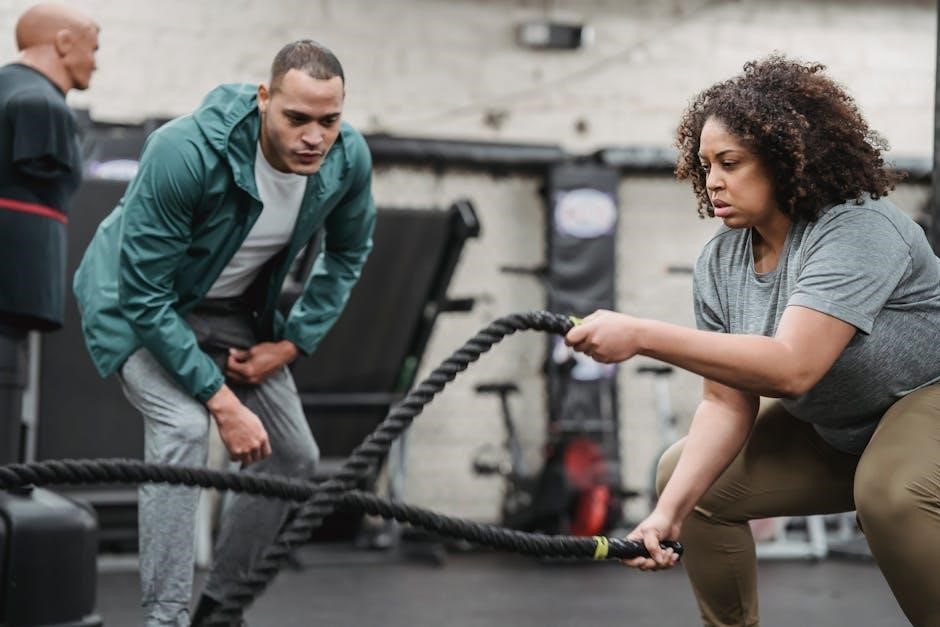
Functional strength training enhances physical performance‚ improving daily activities and sports․ It boosts mobility‚ balance‚ and coordination‚ reducing injury risks․ Regular practice fosters mental resilience and confidence․
2․1 Physical Benefits for Everyday Activities
Functional strength training enhances movement efficiency‚ improving daily tasks like climbing stairs or carrying groceries․ It boosts muscle coordination‚ balance‚ and joint stability‚ reducing injury risks․ Exercises mimic real-life actions‚ strengthening core and peripheral muscles․ Improved mobility and endurance make everyday activities less strenuous‚ while better posture and alignment reduce fatigue․ Regular practice fosters independence and confidence‚ enabling individuals to perform tasks with ease and energy; This training is ideal for those seeking practical fitness solutions to enhance their quality of life and maintain an active lifestyle․
2․2 Mental and Emotional Benefits of Functional Training
Functional training boosts mental clarity and reduces stress by releasing endorphins․ It enhances focus and discipline‚ fostering a mind-muscle connection․ Accomplishing exercises builds confidence and self-esteem․ The variety of movements keeps the mind engaged‚ preventing boredom․ Improved physical function reduces anxiety about daily tasks․ Training in groups or with a partner adds social support‚ combating loneliness․ Overall‚ functional training promotes emotional well-being and resilience‚ empowering individuals to tackle life’s challenges with a positive mindset and improved mental strength․

Key Components of a Functional Strength Program
A functional strength program includes movement patterns‚ muscle targeting‚ and progressive overload․ It focuses on exercises mimicking daily activities‚ ensuring practical fitness and injury prevention․ Structure and consistency are key for optimal results․
3․1 Movement Patterns and Their Significance
Movement patterns are foundational to functional strength training‚ replicating real-life actions like pushing‚ pulling‚ squatting‚ and lunging․ These patterns enhance coordination‚ balance‚ and muscle memory‚ improving efficiency in daily tasks․ By mastering these movements‚ individuals build strength that translates to everyday activities‚ reducing injury risk and boosting performance․ Consistent practice of these patterns ensures sustainable fitness and practical results․
3․2 Muscle Groups Targeted in Functional Training
Functional training targets major muscle groups‚ including the core‚ legs‚ and upper body‚ to enhance overall strength and stability․ The core muscles‚ such as the abdominals and lower back‚ are essential for balance and posture․ Leg muscles‚ like quadriceps and hamstrings‚ are crucial for movements like squatting and lunging․ Upper body muscles‚ including the chest‚ shoulders‚ and arms‚ are engaged in pushing and pulling actions․ By strengthening these muscle groups‚ individuals improve their ability to perform daily tasks and reduce injury risk․ This holistic approach ensures comprehensive physical development․
Exercises for Functional Strength
Functional strength exercises are practical and effective‚ focusing on movements like squats‚ lunges‚ and step-ups․ These exercises improve balance‚ coordination‚ and overall physical fitness‚ preparing the body for real-life challenges;
4․1 Lower Body Exercises for Functional Strength
Lower body exercises are essential for functional strength‚ focusing on movements like squats‚ lunges‚ and step-ups․ These exercises improve balance‚ coordination‚ and overall physical fitness‚ preparing the body for real-life challenges․ They target key muscle groups such as the quadriceps‚ hamstrings‚ and glutes‚ enhancing stability and mobility․ Incorporating these exercises into a functional strength program helps individuals perform daily tasks more efficiently and reduces the risk of injuries․ By strengthening the lower body‚ individuals can achieve better overall functional fitness and maintain an active lifestyle․
4․2 Upper Body Exercises for Functional Strength
Upper body exercises in functional strength training focus on building practical strength for daily activities and sports․ Push-ups‚ pull-ups‚ and overhead presses are key exercises that enhance shoulder stability and core engagement․ These movements improve posture‚ reduce injury risk‚ and boost overall physical fitness․ Functional exercises like medicine ball throws and cable rows mimic real-life actions‚ ensuring versatility and effectiveness․ By incorporating these exercises into a training program‚ individuals can achieve a strong‚ balanced upper body that supports both everyday tasks and athletic performance․ Consistency and progression are crucial for maximizing results and maintaining functional strength․

Creating a Functional Strength Training PDF Guide
A functional strength training PDF guide is a comprehensive resource for designing effective workouts․ It includes exercise tutorials‚ routines‚ and tips for progressing safely and efficiently․ Essential for fitness enthusiasts and professionals alike‚ the guide ensures a well-rounded approach to building functional strength․
5․1 Structure of an Effective Training Program
A well-structured functional strength training program begins with a clear overview of goals and objectives․ It should include a warm-up routine‚ exercise tutorials‚ and a progression plan․ Organized into sections‚ the program should detail lower and upper body exercises‚ core workouts‚ and functional movements․ Nutritional advice and recovery tips are also essential․ Visual guides and diagrams help users understand proper form and technique․ The program should be customizable to suit different fitness levels‚ ensuring scalability and long-term engagement․ A logical flow from foundational to advanced exercises ensures continuous improvement and prevents plateaus․
5․2 Essential Content for a Functional Strength PDF
A comprehensive functional strength training PDF should include detailed exercise tutorials‚ workout schedules‚ and nutritional advice․ Visual guides and diagrams are crucial for demonstrating proper form and technique․ The PDF should also cover recovery strategies‚ such as stretching and foam rolling‚ to enhance performance․ Progress tracking templates help users monitor their improvements over time․ Including real-life success stories and testimonials adds motivation․ A section on common mistakes to avoid ensures safe and effective training․ Finally‚ the PDF should offer customizable plans to cater to different fitness levels and goals‚ making it versatile for a wide audience․
Implementation Strategies for Functional Training
Start with setting realistic goals and a structured plan; Incorporate dynamic warm-ups and focus on proper form to maximize results․ Consistency and progressive overload are key to success․
6․1 Setting Realistic Goals for Functional Strength
Setting realistic goals is crucial for a successful functional strength program․ Start by assessing your current fitness level and identifying specific objectives‚ such as improving mobility or enhancing endurance․ Break down larger goals into smaller‚ achievable milestones to maintain motivation․ Align your goals with daily activities or sports performance to ensure relevance․ A well-defined plan helps track progress and stay committed․ Remember‚ consistency and patience are key to long-term success in functional training․
6․2 Warm-Up and Cool-Down Routines
A proper warm-up prepares the body for functional strength training by increasing blood flow and flexibility․ Start with dynamic stretches like arm circles and leg swings‚ followed by light cardio such as jogging or jumping jacks․ This routine enhances muscle activation and reduces injury risk․ After training‚ a cool-down with static stretches‚ foam rolling‚ and deep breathing helps promote recovery and relaxes the muscles․ Incorporating these routines ensures a safe and effective workout‚ improving overall performance and reducing muscle soreness․ Consistency in these practices is key to long-term success in functional strength training․

Progress Tracking and Adjustment
Track progress through strength levels‚ mobility‚ and consistency․ Adjust programs based on performance‚ ensuring continuous improvement without overtraining․ Regular assessments maintain effectiveness and prevent plateaus․

7;1 Metrics for Measuring Functional Strength Progress
Assess functional strength through improvements in daily task performance‚ sports-specific skills‚ and overall mobility․ Track increases in strength levels‚ endurance‚ and coordination․ Use repetition counts‚ weight lifted‚ and exercise complexity as key metrics․ Monitor consistency in workouts and reductions in injury risk․ Progress is also evident in enhanced balance‚ posture‚ and movement efficiency․ Regularly test functional movements like squats‚ lunges‚ and step-ups to gauge improvement․ These metrics provide a clear roadmap for adjusting training programs and ensuring continuous progress toward functional strength goals․
7․2 Adjusting the Program Based on Performance
Regularly reassess goals and progress to tailor the functional strength program․ Adjust exercise intensity‚ volume‚ or complexity based on performance metrics like strength gains or movement efficiency․ Incorporate variations of exercises to challenge different muscle groups and prevent plateaus․ Gradually increase resistance or reps as fitness levels improve․ Ensure proper form is maintained to avoid injury․ Periodically test functional movements to measure progress and make data-driven adjustments․ This adaptive approach keeps the program effective and aligned with individual goals‚ fostering continuous improvement and long-term success in functional strength training․
Safety and Injury Prevention
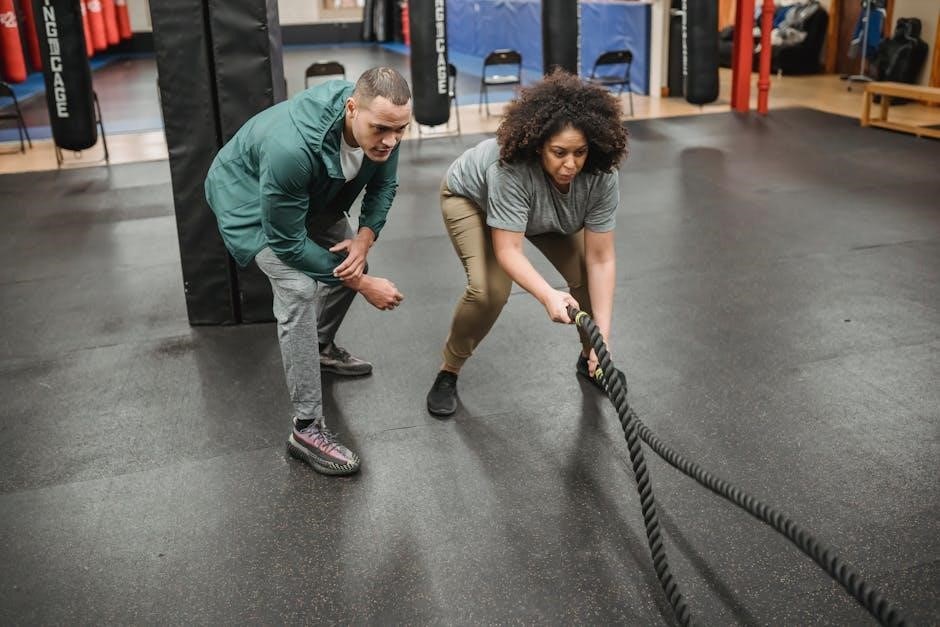
Prioritize proper form and warm-ups to prevent injuries․ Listen to your body to avoid overexertion․ Incorporate recovery techniques like stretching and foam rolling for optimal safety․ Safety measures ensure long-term progress and overall well-being in functional strength training․
8․1 Preventing Injuries During Functional Training
Preventing injuries in functional training requires attention to proper form and technique․ Warm-up routines are essential to prepare muscles and joints for exercise․ Gradually increasing intensity helps avoid overexertion․ Using appropriate equipment and ensuring a safe training environment also minimizes risks․ Listening to your body and resting when needed is crucial․ Incorporating stretching and foam rolling can improve flexibility and reduce muscle tension․ A well-structured program with progressive overload ensures sustainable progress without injury․ Prioritizing recovery techniques enhances overall safety and performance in functional strength training․
8․2 Recovery Techniques for Optimal Performance
Recovery is vital for optimal performance in functional strength training․ Techniques like stretching and foam rolling improve flexibility and reduce muscle tension․ Incorporating hydration and nutrition replenishes energy stores and supports muscle repair․ Adequate rest and sleep are essential for recovery‚ allowing muscles to rebuild and strengthen․ Active recovery‚ such as light cardio or yoga‚ promotes blood flow without overexertion․ These methods ensure sustained progress‚ prevent overtraining‚ and enhance overall performance in functional strength training programs․
Nutrition and Recovery
Proper nutrition fuels recovery‚ supporting muscle growth and energy replenishment․ A balanced diet‚ hydration‚ and rest are crucial for optimal recovery in functional strength training programs;
9․1 Role of Nutrition in Functional Strength Training
Nutrition plays a vital role in functional strength training by providing the necessary fuel for workouts and aiding in recovery․ A balanced diet rich in proteins‚ carbohydrates‚ and healthy fats supports muscle growth and energy replenishment․ Proper hydration is also essential to maintain performance and prevent fatigue․ Additionally‚ timing meals around workouts can optimize results‚ ensuring the body has the resources needed to adapt and strengthen․ Nutrition is a cornerstone of any effective functional strength program‚ directly impacting progress and overall success․
9․2 Importance of Sleep for Recovery
Sleep is a critical component of recovery in functional strength training‚ as it allows the body to repair and adapt․ During sleep‚ muscles rebuild‚ and hormones like testosterone and growth hormone are released‚ promoting strength and tissue repair․ Poor sleep quality can hinder recovery‚ reducing performance and increasing injury risk․ Aim for 7-9 hours of quality sleep per night to support optimal recovery․ Establishing a consistent sleep schedule and creating a restful environment can enhance sleep quality‚ ensuring your body is prepared for the next training session․ Sleep is essential for maximizing the benefits of functional strength training․

Mental Aspects of Functional Training
Mental focus enhances exercise effectiveness‚ while a positive mindset drives consistency and motivation․ Strengthening the mind-muscle connection improves performance and overall success in functional strength training programs․ Stay mentally engaged for better results․
10․1 Mind-Muscle Connection in Functional Exercises
The mind-muscle connection is crucial for maximizing the effectiveness of functional exercises․ By focusing on the specific muscles being engaged‚ individuals can enhance movement precision and strength․ This mental engagement ensures that each exercise targets the intended muscle groups‚ improving overall performance and reducing the risk of injury․ A strong mind-muscle connection also boosts motivation and consistency‚ as participants can better understand and feel the benefits of their training․ Developing this connection is key to achieving optimal results in any functional strength program․
10․2 Motivation and Consistency in Training
Motivation and consistency are essential for achieving long-term success in functional strength training․ Setting realistic goals and celebrating small achievements helps maintain enthusiasm․ Tracking progress through metrics like strength gains or improved performance also boosts motivation․ Creating a structured routine and incorporating variety in workouts can prevent boredom and keep individuals engaged․ Surrounding oneself with a supportive community or trainer further enhances commitment․ Consistency is key to seeing results‚ as functional training requires regular practice to build and maintain strength․ Staying motivated and consistent ensures a successful and sustainable fitness journey․
Avoiding Training Plateaus
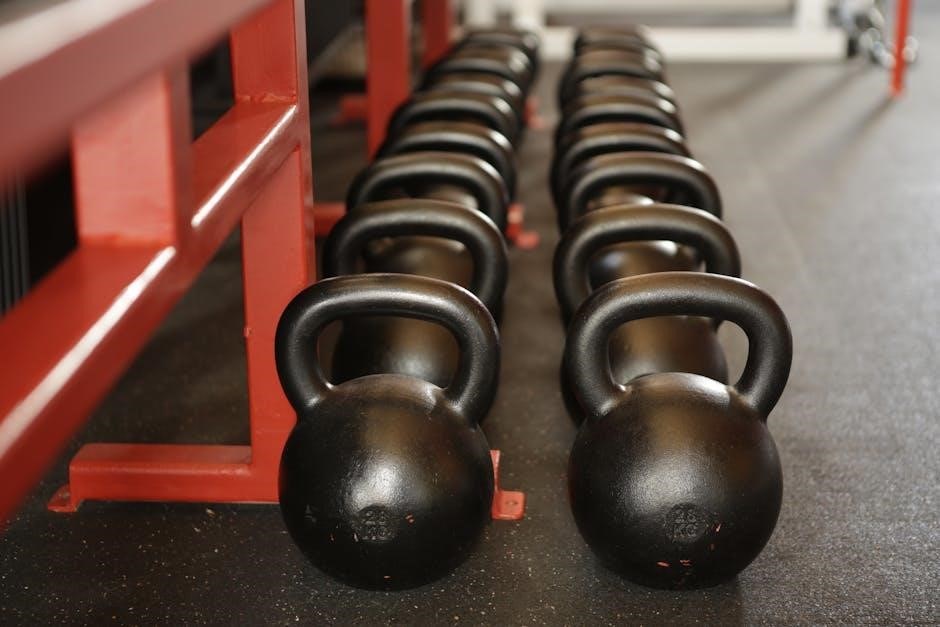
Introducing new functional racks and varying exercises helps avoid plateaus․ Incorporating progressive overload and dynamic challenges keeps training engaging and effective‚ ensuring continuous improvement in strength and function․
11․1 Variations in Exercises to Keep Training Engaging
Exercise variations are crucial for maintaining engagement and preventing plateaus․ Incorporating new equipment‚ like functional racks‚ and modifying movement patterns can refresh routines․ Progressive overload and dynamic challenges ensure workouts remain stimulating․ Varying intensity‚ reps‚ and sets keeps the mind active‚ preventing mental stagnation․ Functional strength training programs benefit from diverse exercises that mimic real-life tasks‚ ensuring continuous improvement․ By introducing novel movements and equipment‚ individuals stay motivated and committed to their fitness journey‚ achieving long-term success and avoiding monotony in their training regimen․
11․2 Progressive Overload in Functional Training
Progressive overload is essential for continuous improvement in functional strength․ It involves gradually increasing weight‚ resistance‚ or reps to challenge muscles and enhance performance․ This method ensures sustained progress by pushing the body beyond its current limits․ Incorporating functional racks and dynamic exercises allows for varied overload techniques․ Consistent application of progressive overload strengthens muscle groups and improves overall resilience․ By systematically increasing intensity‚ individuals achieve measurable gains in strength and functionality‚ keeping their training effective and aligned with long-term fitness goals․ This approach is vital for avoiding plateaus and maintaining steady improvement in functional training programs․
Real-World Applications of Functional Strength
Functional strength training enhances everyday activities like climbing stairs and improves sports performance․ It mimics real-life movements‚ boosting efficiency and resilience in daily tasks and athletic endeavors․
12․1 Enhancing Everyday Activities Through Training
Functional strength training is designed to improve efficiency in daily tasks by targeting movements like climbing stairs or carrying groceries․ These exercises strengthen muscles used in real-life scenarios‚ reducing fatigue and injury risk․ For instance‚ squats and lunges enhance lower body stability‚ while core exercises improve posture and balance․ By mimicking everyday actions‚ functional training ensures that fitness gains translate directly to better performance in routine activities‚ making life easier and safer․ This approach is particularly beneficial for individuals seeking practical fitness solutions to maintain independence and vitality as they age․
12․2 Improving Sports Performance with Functional Strength
Functional strength training is a cornerstone for athletes seeking to enhance sports performance․ By focusing on exercises that mimic real-world movements‚ such as squats‚ lunges‚ and plyometrics‚ athletes can improve power‚ speed‚ and agility․ These exercises strengthen muscle groups used in specific sports‚ reducing injury risk and boosting endurance․ For example‚ core stability exercises enhance balance during high-intensity maneuvers‚ while dynamic movements improve reaction time․ Functional training also promotes better coordination and overall athleticism‚ making it an essential component of any sports conditioning program․ This approach ensures that athletes perform at their best‚ both on and off the field․
Case Studies and Success Stories
Real-life examples highlight the effectiveness of functional strength training․ Individuals and groups share inspiring journeys‚ showcasing improved physical capabilities and enhanced overall well-being․ Success stories reveal transformative results․
13․1 Individual Success Stories in Functional Training
Individuals worldwide have achieved remarkable results through functional strength training․ A working mom improved her ability to carry groceries and play with her kids‚ while an athlete enhanced his sport-specific performance․ These success stories highlight how functional training adapts to personal goals‚ whether for daily tasks or competitive sports․ Many participants report increased energy levels and reduced injury risks․ The structured approach of a functional strength program ensures progress‚ motivating individuals to continue their fitness journey․ These inspiring stories demonstrate the versatility and effectiveness of functional training for all lifestyles․
13․2 Group Training Success Stories
Group functional training has empowered communities to achieve fitness goals collectively․ Corporate teams have reported improved collaboration and reduced workplace injuries‚ while community groups celebrate enhanced overall health․ The social aspect of group training fosters accountability and motivation‚ leading to higher adherence rates․ Many participants highlight the camaraderie and shared achievements as key factors in their success; Functional training programs tailored for groups ensure diverse fitness levels are accommodated‚ making it accessible to all․ These collective successes demonstrate the power of unity in achieving functional strength and improving quality of life․
Future Trends in Functional Strength Training
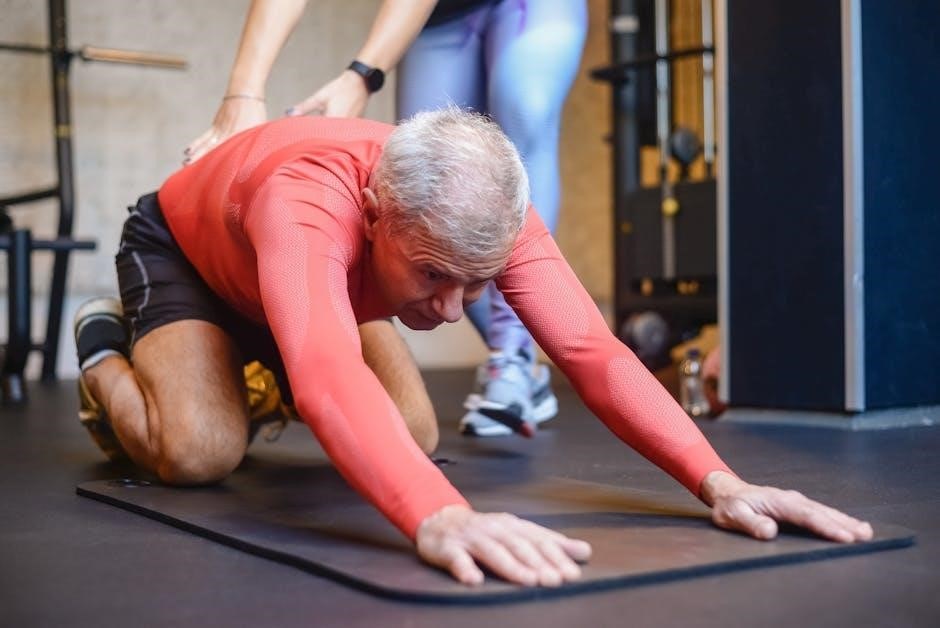
Functional strength training is evolving with innovative equipment like F45’s new functional racks‚ empowering members to advance their fitness goals while maintaining the signature training style․ This trend highlights the integration of advanced tools to enhance functional training experiences globally․
14․1 Integration of Technology in Functional Training
The integration of technology in functional training is revolutionizing the fitness landscape․ Advanced equipment‚ such as F45’s new functional racks‚ is being introduced to enhance training experiences․ These innovations empower individuals to track progress‚ optimize workouts‚ and engage with personalized programs․ Technology also enables real-time feedback‚ improving form and performance․ As functional strength training evolves‚ the use of wearable devices and AI-driven platforms is expected to rise‚ offering tailored solutions for diverse fitness goals․ This blend of tradition and innovation ensures functional training remains dynamic and accessible‚ catering to a wide range of individuals seeking efficient and effective results․
14․2 Emerging Trends in Functional Strength Programs
Functional strength programs are evolving rapidly‚ with a growing emphasis on personalized and dynamic approaches․ The rise of technology-integrated equipment‚ such as F45’s new functional racks‚ is transforming training environments․ Programs now incorporate wearable devices and AI-driven platforms to track progress and optimize workouts․ There is also a shift toward community-based training‚ blending individual goals with group motivation․ Additionally‚ the integration of recovery techniques and nutrition planning into functional strength programs is becoming more prevalent․ These trends reflect a holistic approach to fitness‚ ensuring programs are engaging‚ effective‚ and adaptable to diverse needs and preferences․
Functional strength training offers a practical‚ effective approach to enhancing daily life and athletic performance․ By focusing on real-world movements‚ it builds resilience‚ improves efficiency‚ and promotes longevity‚ making it a cornerstone of modern fitness․
15․1 Summary of Key Points
Functional strength training enhances movement efficiency and real-life performance through exercises mimicking daily activities․ It improves overall fitness‚ builds resilience‚ and prevents injuries․ A structured program targets essential muscle groups‚ promoting practical fitness solutions․ The approach integrates nutrition‚ recovery‚ and mental focus‚ ensuring holistic development․ By focusing on real-world applications‚ functional training benefits both everyday tasks and athletic performance‚ making it a versatile and effective fitness strategy; Its adaptability and emphasis on functional movements make it a cornerstone of modern fitness programs‚ suitable for individuals seeking sustainable and meaningful results․
15․2 Final Thoughts on Functional Strength Training
Functional strength training is a powerful approach to fitness‚ offering practical benefits for everyday life and athletic performance․ By focusing on movements that mimic real-world activities‚ it builds resilience‚ improves efficiency‚ and reduces injury risk․ A well-structured program‚ combined with proper nutrition and recovery‚ fosters holistic development․ Its adaptability makes it suitable for all fitness levels‚ ensuring sustainable progress․ Embracing functional training not only enhances physical capabilities but also empowers individuals to thrive in their daily lives․ Investing in a functional strength program is a commitment to long-term health and vitality․