Reef Mixing Instructions: A Comprehensive Guide
Navigating reef tank chemistry demands precision; mastering calcium, alkalinity, and magnesium dosing is crucial for coral health and vibrant ecosystems․
This guide details the essential steps for successful reef mixing, ensuring a stable and thriving aquatic environment for your delicate inhabitants․
Properly mixed solutions are the foundation of a healthy reef, providing the necessary building blocks for skeletal growth and overall well-being․
Understanding Reef Tank Chemistry

Reef tank chemistry is a delicate balance, fundamentally different from freshwater aquariums․ Successful reef keeping hinges on replicating natural seawater conditions, demanding a thorough understanding of key parameters․ Calcium, alkalinity, and magnesium form the core of this balance, working synergistically to support coral growth and overall reef health․
These elements aren’t isolated; they interact in complex ways․ Alkalinity acts as a buffer, preventing drastic pH swings, while calcium and magnesium are essential building blocks for coral skeletons․ Maintaining appropriate levels of each is vital, as imbalances can lead to stunted growth, coral bleaching, or even death․
Understanding the interplay between these elements allows for proactive adjustments, preventing issues before they arise․ Regular testing and careful dosing are paramount, ensuring a stable and thriving reef ecosystem․ Ignoring these chemical foundations will inevitably lead to long-term problems and a less vibrant display․
The Importance of Calcium, Alkalinity, and Magnesium
Calcium is the primary building block for coral skeletons, providing the structural foundation for reef growth․ Without sufficient calcium, corals cannot build and maintain their hard exoskeletons, leading to weakened structures and slower growth rates․ Maintaining optimal calcium levels is therefore non-negotiable for a thriving reef․
Alkalinity, often referred to as carbonate hardness, acts as a crucial buffer, stabilizing pH levels and preventing damaging fluctuations․ Stable pH is essential for coral health, as even minor shifts can cause stress and inhibit growth․ Alkalinity also plays a vital role in calcium carbonate precipitation․
Magnesium is often the unsung hero, acting as a calcium and alkalinity buffer․ It prevents calcium and alkalinity from precipitating out of solution, ensuring they remain available for coral uptake․ Proper magnesium levels are essential for maintaining stability and maximizing coral growth potential․ These three elements are inextricably linked, demanding balanced supplementation․
What is Reef Mixing?
Reef mixing is the process of creating supplemental water solutions containing essential elements – primarily calcium, alkalinity (carbonate hardness), and magnesium – to maintain optimal water chemistry within a reef aquarium․ It’s a proactive approach to replenishing these vital components consumed by corals and other invertebrates as they grow and thrive․
Unlike simply adding commercially prepared supplements directly to the tank, reef mixing involves pre-dissolving precise amounts of chemical compounds in purified water․ This ensures thorough dissolution, prevents localized imbalances, and allows for accurate dosing․ It’s a cornerstone of advanced reef keeping, offering greater control over water parameters․
Essentially, reef mixing allows aquarists to create a customized “reef water” concentrate, tailored to the specific needs of their coral collection and the overall demands of their aquarium ecosystem․ This proactive method supports robust coral growth and vibrant coloration․
Why is Reef Mixing Necessary?
Reef mixing becomes essential as a reef aquarium matures and coral growth accelerates․ Corals continuously extract calcium and alkalinity from the water to build their skeletons, leading to a gradual depletion of these vital elements․ Magnesium plays a crucial role in maintaining calcium and alkalinity stability, preventing fluctuations that can harm corals․
Simply performing regular water changes isn’t always sufficient to replenish these consumed elements at the rate required by a thriving reef․ Relying solely on water changes can lead to long-term deficiencies, stunted coral growth, and increased susceptibility to disease․
Proactive reef mixing provides a consistent and controlled method for maintaining optimal water parameters․ It allows aquarists to precisely address the demands of their specific reef ecosystem, fostering healthy coral growth, vibrant coloration, and overall stability․ It’s a preventative measure against imbalances and a key to long-term reef success․
Essential Equipment for Reef Mixing
Successful reef mixing necessitates specific equipment to ensure accuracy and safety․ First, you’ll require dedicated mixing containers – plastic buckets or containers specifically designated for this purpose, avoiding metal which can contaminate the solutions․ Accurate measurement tools are paramount; digital scales capable of measuring in grams, and graduated cylinders or beakers for precise volume measurements are crucial․
A reliable reverse osmosis/deionized (RO/DI) water source is non-negotiable, as tap water contains impurities that can interfere with the mixing process and harm your reef․ A submersible pump or powerhead will aid in thoroughly dissolving the chemicals․
Safety gear is also essential: gloves to protect your skin, and eye protection to prevent chemical splashes․ Finally, a pH meter or test kit is helpful for verifying the final solution’s pH level, ensuring it’s within the acceptable range for your reef tank․
Mixing Containers and Materials
Selecting appropriate containers is fundamental for successful reef mixing․ Opt for food-grade plastic buckets or containers, ensuring they are thoroughly cleaned and dedicated solely to this purpose․ Avoid using metal containers, as they can leach contaminants into the solutions, potentially harming your reef inhabitants․ The container size should be adequate for the volume of water you intend to mix, allowing sufficient space for stirring․
The materials used for mixing must be of high quality․ Use only reef-grade chemicals – calcium chloride, sodium carbonate (for alkalinity), and magnesium chloride – sourced from reputable aquarium suppliers․ Avoid using household chemicals, as they often contain unwanted additives․
Always store chemicals in a cool, dry place, away from direct sunlight and moisture․ Ensure containers are tightly sealed to prevent contamination and maintain chemical purity․ Proper storage extends the shelf life and effectiveness of your mixing solutions․
Accurate Measurement Tools
Precision is paramount when mixing reef solutions; inaccurate measurements can lead to imbalances and stress your corals․ Invest in a high-quality digital scale capable of measuring in small increments (e․g․, 0․1 grams)․ Avoid using kitchen scales, as they may not be accurate enough for reef keeping․ A calibrated refractometer is essential for verifying the salinity of your RO/DI water before mixing․
Graduated cylinders and measuring cups are useful for dispensing liquids, but prioritize accuracy․ Use cylinders with clear markings and ensure you read the meniscus at eye level․ For smaller volumes, consider using calibrated syringes or pipettes․
Regularly calibrate your measurement tools to maintain accuracy․ Digital scales can be calibrated using calibration weights, while refractometers require calibration solution․ Consistent and accurate measurements are the cornerstone of stable reef parameters․
Water Source Considerations (RO/DI Water)
Using the correct water source is non-negotiable for successful reef mixing․ Tap water contains phosphates, nitrates, silicates, and other impurities harmful to sensitive corals․ Therefore, only Reverse Osmosis/Deionized (RO/DI) water should be used․ An RO/DI system removes these contaminants, producing ultra-pure water ideal for reef aquariums․
Ensure your RO/DI system is functioning optimally by regularly checking the Total Dissolved Solids (TDS) level of the output water․ A TDS reading of 0 ppm indicates pure water․ Replace filters as recommended by the manufacturer to maintain water quality․
Storing RO/DI water properly is also crucial․ Use clean, food-grade containers and avoid prolonged exposure to air to prevent recontamination․ Always verify the TDS level before using stored water for mixing․

Step-by-Step Reef Mixing Instructions
Begin by calculating your desired dosage for calcium, alkalinity, and magnesium based on your tank volume and target parameters․ Always double-check these calculations! Next, prepare separate solutions of each component using accurate measurement tools and RO/DI water․
Start with calcium chloride, dissolving it slowly while stirring․ Then, prepare sodium carbonate (alkalinity buffer) and magnesium chloride solutions, ensuring complete dissolution․ Once individual solutions are ready, slowly add them to a larger mixing container in a specific order – typically magnesium first, followed by calcium, and finally alkalinity․
Constant, gentle stirring is vital throughout the process․ Allow ample time for thorough mixing and monitor for any precipitation․ After mixing, test the water parameters and adjust dosages as needed to achieve optimal levels․
Calculating Dosage Requirements
Accurate dosage is paramount for reef tank success․ Begin by determining your tank’s total water volume – remember to account for rockwork and substrate displacement․ Next, establish your target levels for calcium (400-450 ppm), alkalinity (8-12 dKH), and magnesium (1250-1350 ppm)․
Utilize online calculators or formulas to determine the amount of each chemical needed to raise your parameters․ Consider the concentration of your chosen supplements; different products require varying dosages․ Start with conservative estimates, as overshooting can lead to imbalances․
Factor in consumption rates based on coral growth and bioload․ Regularly testing water parameters will reveal how quickly your tank utilizes these elements, allowing for dosage adjustments․ Keep detailed records of all additions to maintain consistency and track trends․
Mixing Calcium Chloride
Begin with distilled or RO/DI water in your designated mixing container․ Slowly add calcium chloride (CaCl2) to the water while stirring vigorously․ Avoid adding the powder too quickly, as this can cause clumping and incomplete dissolution․ A powerhead or circulation pump is highly recommended for thorough mixing․
Use a precise scale to measure the calcium chloride, ensuring accurate concentration․ Aim for a stock solution concentration appropriate for your dosing method – typically between 400-800 ppm․ Monitor the water temperature; warmer water generally dissolves chemicals more readily․
Continue stirring until the calcium chloride is completely dissolved and the solution is clear․ Allow the solution to sit for a short period to ensure full stabilization before testing its concentration with a reliable calcium test kit․ Label the container clearly with the date and concentration․
Mixing Sodium Carbonate (Alkalinity Buffer)
Start with RO/DI water in a clean mixing container․ Slowly introduce sodium carbonate (Na2CO3), also known as alkalinity buffer, into the water while consistently stirring․ Similar to calcium chloride, gradual addition prevents clumping and ensures complete dissolution․ A powerhead is invaluable for efficient mixing․
Accurately weigh the sodium carbonate using a calibrated scale․ The target concentration for your alkalinity stock solution will depend on your desired dosing regime, generally ranging from 400-800 meq/L․ Monitor water temperature, as warmer temperatures aid dissolution․
Continue stirring until the sodium carbonate is fully dissolved and the solution appears clear․ Allow the solution to rest briefly for stabilization, then verify its concentration using a reliable alkalinity test kit․ Clearly label the container with the date and concentration for easy identification․
Mixing Magnesium Chloride
Begin with purified RO/DI water in a designated, clean mixing container․ Gradually add magnesium chloride (MgCl2) to the water while continuously stirring; Employing a powerhead significantly enhances the dissolution process, preventing settling and ensuring a homogenous solution․
Precisely measure the magnesium chloride using a calibrated scale․ A typical stock solution concentration falls between 400-600 ppm, but adjust based on your specific reef’s needs and testing results․ Maintaining a consistent water temperature aids in efficient dissolving․
Continue stirring until the magnesium chloride is completely dissolved and the solution is crystal clear․ Allow the solution to sit undisturbed for a short period to stabilize, then confirm its concentration with a reliable magnesium test kit․ Label the container clearly with the date and concentration for future reference․

Combining the Solutions
Once individual stock solutions of calcium chloride, alkalinity buffer (sodium carbonate), and magnesium chloride are prepared, careful combination is essential․ This process requires slow addition and constant monitoring to prevent unwanted precipitation․
Start by adding the magnesium chloride solution to a larger volume of RO/DI water in your mixing container․ Follow this with the alkalinity buffer, stirring continuously․ The alkalinity should be added before the calcium to minimize the risk of calcium carbonate precipitation․
Finally, slowly introduce the calcium chloride solution while maintaining vigorous stirring․ Monitor the water clarity closely; any cloudiness indicates precipitation is occurring․ If precipitation happens, cease addition and allow settling before proceeding․ Thoroughly mix for several hours, then test all parameters before use․
Monitoring and Adjusting Parameters
Regular testing is paramount to maintaining optimal reef water chemistry․ After combining solutions and allowing sufficient mixing time, meticulously test calcium, alkalinity, and magnesium levels using reliable test kits․ Accurate results are crucial for informed adjustments․
Ideal calcium levels generally range between 400-450 ppm, alkalinity between 8-11 dKH, and magnesium between 1250-1350 ppm․ Deviations from these ranges necessitate dosage adjustments․ Incremental changes are preferred to avoid shocking the system․
If calcium is low, increase the calcium chloride dosage․ Low alkalinity requires increasing the sodium carbonate addition․ Adjust magnesium chloride dosage if magnesium levels are deficient․ Always retest after each adjustment to track progress and prevent overcorrection․ Consistent monitoring ensures a stable reef environment․
Testing Calcium Levels
Accurate calcium testing is fundamental for reef health, as calcium is a primary building block for coral skeletons․ Utilize a reliable calcium test kit – titration-based kits are generally considered the most accurate, though colorimetric kits offer convenience․
Follow the test kit instructions precisely․ Typically, this involves adding a reagent to a water sample and comparing the resulting color change to a provided chart․ Ensure proper lighting conditions for accurate color assessment․
Record your results carefully․ Ideal calcium levels for most reef tanks fall between 400-450 ppm (parts per million)․ Levels consistently below 400 ppm can inhibit coral growth, while levels exceeding 450 ppm may lead to precipitation․ Regular testing – weekly or bi-weekly – is recommended to track trends and make necessary adjustments to your dosing regimen․
Testing Alkalinity Levels
Alkalinity, representing the buffering capacity of your reef tank water, is crucial for maintaining stable pH levels․ Testing alkalinity is often performed alongside calcium and magnesium measurements for a comprehensive understanding of water chemistry․
Employ a reliable alkalinity test kit, commonly utilizing a titration method․ This involves adding an acid reagent to a water sample until a color change occurs, indicating the endpoint․ Again, meticulous adherence to the kit’s instructions is paramount for accurate results․
Target alkalinity levels typically range between 8-12 dKH (degrees of carbonate hardness)․ Maintaining alkalinity within this range prevents pH swings that can stress corals and other invertebrates․ Consistent monitoring – weekly testing is advisable – allows for proactive adjustments to your supplementation schedule, ensuring a stable and thriving reef environment․
Testing Magnesium Levels
Magnesium plays a vital, yet often overlooked, role in reef tank chemistry․ It directly influences both calcium and alkalinity solubility, impacting their availability to corals for skeletal growth․ Accurate magnesium testing is therefore essential for a balanced system․
Utilize a dedicated magnesium test kit, typically employing a colorimetric method․ This involves adding reagents to a water sample, resulting in a color change proportional to the magnesium concentration․ Precise measurement and careful observation of the color chart are critical for reliable results․
Optimal magnesium levels generally fall between 1250-1350 ppm (parts per million)․ Maintaining this range ensures calcium and alkalinity remain stable and readily accessible․ Regular testing – bi-weekly or monthly – allows for timely adjustments, preventing deficiencies that can hinder coral growth and overall reef health․
Adjusting Dosage Based on Test Results
Consistent monitoring is key; test results dictate necessary adjustments to your dosing regime․ If calcium levels are low, incrementally increase calcium chloride dosage, observing the impact over several days․ Avoid drastic changes, as rapid shifts can stress corals․
Similarly, low alkalinity requires increased sodium carbonate dosing․ However, remember the interplay between alkalinity and pH – raising alkalinity too quickly can elevate pH to undesirable levels․ Monitor pH alongside alkalinity․

Magnesium adjustments are often the most subtle․ If calcium and alkalinity are unstable, despite adequate dosing, magnesium may be the limiting factor․ Increase magnesium chloride dosage cautiously․ Record all dosage changes and corresponding test results to establish a clear pattern and refine your approach․ Patience and meticulous record-keeping are paramount for long-term stability․
Troubleshooting Common Issues
Precipitation, appearing as cloudy residue, often occurs when combining solutions too quickly or if alkalinity and calcium levels are significantly imbalanced․ Slow addition and proper water circulation during mixing minimize this․ If precipitation happens, allow it to settle before using the water․
Fluctuations in parameters can stem from inconsistent dosing, inaccurate measurements, or insufficient mixing volume․ Ensure precise measurements with calibrated tools and thoroughly mix solutions before adding them to the tank․
Unexpectedly high or low test results warrant immediate investigation․ Double-check test kit expiration dates and calibration․ Consider the possibility of contamination or errors in the testing process․ Address imbalances gradually, avoiding large corrections that can shock the system․ Consistent monitoring and proactive adjustments are crucial for maintaining stability․

Precipitation in the Mixing Process
Precipitation, manifesting as a cloudy or particulate substance, is a common occurrence during reef mixing, particularly when combining calcium chloride, sodium carbonate (alkalinity buffer), and magnesium chloride․ This isn’t necessarily harmful, but indicates chemical reactions are taking place, forming insoluble compounds․
The primary cause is often rapid mixing or a significant difference in concentrations between the solutions; To minimize precipitation, always add components slowly and with vigorous circulation․ Ensure the water is well-mixed before adding subsequent chemicals․
Allowing the mixture to sit for 24 hours before use allows any precipitate to fully settle․ The clear water above can then be carefully siphoned off, leaving the sediment behind․ While some precipitation is normal, excessive amounts may suggest an imbalance in the initial water chemistry, requiring adjustments to your mixing ratios․
Maintaining Stable Parameters
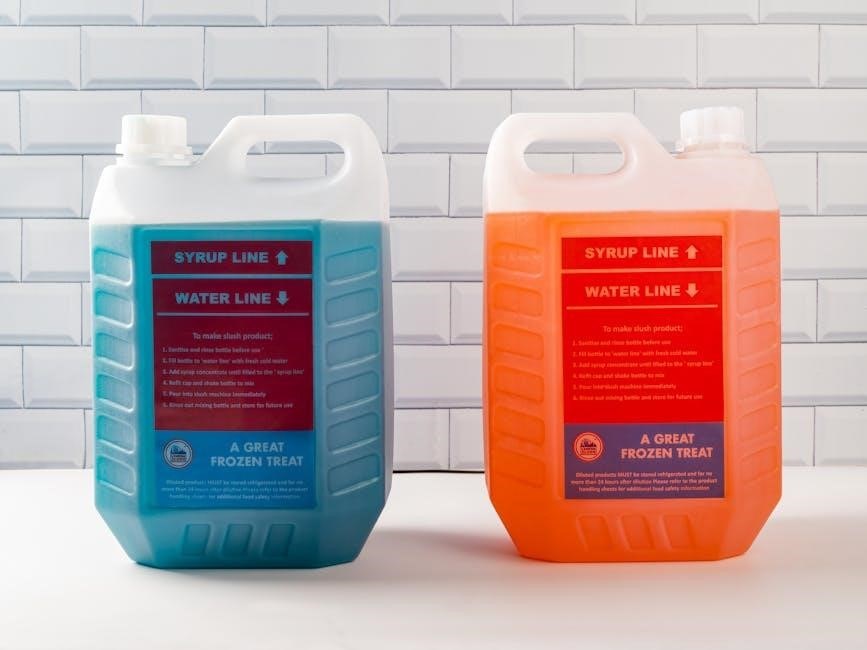
Consistent water parameters are paramount for a thriving reef ecosystem․ Once your mixed water is introduced to the tank, diligent monitoring is essential․ Regular testing – ideally, several times a week initially – allows you to track calcium, alkalinity, and magnesium levels, identifying any deviations from your target ranges․
Small, incremental adjustments are preferable to large, sudden changes․ Avoid chasing numbers; instead, focus on maintaining stability within acceptable limits․ Automated dosing pumps can be incredibly helpful in delivering consistent doses of these supplements, minimizing fluctuations․
Record keeping is crucial․ Documenting test results and dosage adjustments provides a valuable historical record, enabling you to identify trends and proactively address potential issues before they escalate․ Remember, a stable environment fosters coral growth and overall reef health․
Dealing with Fluctuations
Despite meticulous planning, fluctuations in reef parameters are inevitable․ Understanding the causes and implementing corrective measures is vital․ Rapid changes can stress corals, leading to bleaching or even mortality․ Common causes include inconsistent dosing, biological demand exceeding supply, or inaccurate testing․
If alkalinity drops suddenly, investigate potential causes like increased coral growth or an accidental water change․ Conversely, a calcium spike might indicate insufficient alkalinity to support precipitation․ Address imbalances gradually, avoiding drastic corrections․
Regular water changes (using properly mixed water, of course!) help replenish trace elements and dilute accumulated waste․ Consider employing a calcium reactor or refugium to provide natural buffering capacity․ Proactive monitoring and a measured response are key to navigating parameter swings and maintaining a healthy reef․
Safety Precautions When Handling Chemicals
Handling reef tank chemicals demands strict adherence to safety protocols․ Calcium chloride, sodium carbonate, and magnesium chloride can cause irritation upon contact with skin or eyes․ Always wear appropriate personal protective equipment (PPE), including gloves, safety glasses, and potentially a mask, especially when mixing powders․
Work in a well-ventilated area to avoid inhaling dust or fumes․ Never add water to concentrated chemicals; always add chemicals to water slowly, stirring constantly to prevent localized heat buildup and potential splashing․ Store chemicals in a cool, dry place, clearly labeled and out of reach of children and pets․
In case of skin or eye contact, rinse immediately with copious amounts of fresh water for at least 15 minutes․ If irritation persists, seek medical attention․ Proper disposal of chemical waste is also crucial; follow local regulations for hazardous material disposal․