Boston Pizza Nutrition Guide: A Comprehensive Overview (Updated 02/04/2026)
Boston Pizza offers diverse options; understanding nutritional values—like the 410 calories in a Hawaiian pizza—empowers informed choices for a balanced diet‚ even when indulging!
Boston Pizza recognizes the growing importance of transparency regarding nutritional content‚ catering to health-conscious diners․ This guide provides a detailed breakdown of calories‚ macronutrients‚ and other vital information for each menu item‚ empowering guests to make informed decisions․ From appetizers like wings and nachos to customizable pizzas and hearty main courses‚ understanding the nutritional impact of your choices is now easier than ever․
Whether you’re tracking calories‚ monitoring fat intake‚ or simply seeking healthier alternatives‚ this resource is designed to assist you; We acknowledge that individual dietary needs vary‚ with a general guideline of 2‚000 calories a day often used for nutritional advice․ However‚ Boston Pizza aims to provide the data necessary for personalized meal planning‚ allowing you to enjoy your favorite dishes responsibly․ Additional nutritional details are readily available upon request‚ demonstrating our commitment to customer well-being․
Understanding Calorie Needs & Daily Values
Determining your individual calorie needs is crucial for maintaining a healthy lifestyle․ Factors like age‚ gender‚ activity level‚ and metabolism all play significant roles․ While 2‚000 calories a day serves as a general benchmark for nutritional guidance‚ your specific requirements may differ substantially․ Understanding Daily Values (DVs) – the reference amounts of nutrients to consume or not exceed – is equally important when evaluating food choices․
These values‚ expressed as percentages‚ help you assess how much a serving of food contributes to your overall daily intake․ Paying attention to calories‚ fat‚ sodium‚ carbohydrates‚ and protein allows for balanced meal planning․ Boston Pizza’s nutritional information empowers you to compare menu items and align your selections with your personal health goals․ Remember‚ mindful portion control and informed choices are key to enjoying dining out while staying on track․
Boston Pizza’s Commitment to Nutritional Transparency
Boston Pizza recognizes the growing importance of informed dietary choices and demonstrates a strong commitment to nutritional transparency․ They provide readily accessible nutritional information for their extensive menu‚ empowering customers to make healthier decisions․ This dedication extends to detailed breakdowns of calories‚ macronutrients‚ and other key nutritional components for each dish․
Additional nutritional details are available upon request‚ showcasing their willingness to cater to individual needs and preferences․ This proactive approach reflects a broader industry trend towards openness and accountability regarding food content․ By prioritizing transparency‚ Boston Pizza fosters trust with its patrons and supports a culture of mindful eating․ They take a hands-on approach to their dough‚ ensuring quality and allowing for accurate nutritional analysis․

Appetizers & Snacks: Nutritional Breakdown
Boston Pizza’s appetizers vary greatly in nutritional content; mindful selection is key for a balanced meal‚ considering calorie impacts of wings and nachos․
Wings & Their Caloric Impact
Boston Pizza’s wings are a popular appetizer‚ but their caloric impact can significantly vary depending on preparation and sauce selection․ Traditional fried wings‚ especially when generously coated in sauce‚ tend to be higher in fat and calories compared to dry-rubbed options․ The type of sauce dramatically influences the nutritional profile; creamy‚ rich sauces like buffalo or honey garlic contribute substantially more calories‚ fat‚ and sugar than lighter vinaigrette-based options․
A typical order of wings (approximately 6-8 pieces) can range from 600 to over 1000 calories‚ depending on these factors․ Consider portion size carefully․ Opting for grilled or baked wings‚ and choosing sauces with lower sugar and fat content‚ can help reduce the overall caloric load․ Pairing wings with a side salad or vegetable sticks can also contribute to a more balanced and satisfying snack experience․ Always check the Boston Pizza nutrition guide for specific details on each wing flavor and preparation method․
Nachos: A Detailed Nutritional Analysis
Boston Pizza’s nachos‚ while undeniably delicious‚ represent a calorie-dense appetizer․ A full order typically contains a substantial amount of calories‚ primarily stemming from the tortilla chips‚ melted cheese‚ and various toppings like ground beef‚ chicken‚ or beans․ The addition of sour cream‚ guacamole‚ and pico de gallo further contributes to the overall caloric and fat content․
A single serving can easily exceed 1000 calories‚ with a significant portion coming from saturated fat and sodium․ To make a more mindful choice‚ consider sharing an order with others or opting for a smaller portion size․ Requesting light cheese or substituting some toppings with healthier alternatives‚ such as extra vegetables or black beans‚ can also reduce the nutritional impact․ Referencing the Boston Pizza nutrition guide is crucial for understanding the specific caloric breakdown of different nacho variations and toppings․
Dips & Sides: Healthier Choices
Boston Pizza’s side options present opportunities for more nutritious choices alongside your meal; While creamy dips like queso or spinach artichoke are tempting‚ they are often high in calories‚ fat‚ and sodium․ Opting for sides like garden salad with a light vinaigrette dressing provides essential vitamins and fiber with a significantly lower caloric impact․
Steamed vegetables‚ if available‚ are another excellent choice‚ offering nutrients without the added fats․ When selecting a dip‚ consider portion control – sharing with the table or requesting a smaller serving can help manage intake․ Be mindful of accompanying dippers; carrot and celery sticks are preferable to fried tortilla chips․ Consulting the Boston Pizza nutrition guide will reveal the specific nutritional content of each side‚ empowering you to make informed decisions aligned with your dietary goals․
Pizza Options: A Deep Dive into Nutrition
Boston Pizza’s pizzas vary greatly; multigrain crusts (like the 410-calorie Hawaiian) offer a healthier base compared to traditional options‚ impacting overall nutrition․
Crust Choices & Calorie Differences (Multigrain vs․ Traditional)
Boston Pizza provides customers with choices in crust types‚ significantly influencing the nutritional profile of their pizzas․ The traditional crust‚ while offering a classic taste and texture‚ generally contains more calories and refined carbohydrates compared to the multigrain option․ A Hawaiian pizza featuring the multigrain crust‚ for example‚ clocks in at approximately 410 calories‚ demonstrating a potentially lighter choice․
Multigrain crusts incorporate whole grains‚ contributing fiber and essential nutrients․ This increased fiber content can promote satiety‚ aiding in portion control and overall digestive health․ While the calorie difference per slice might seem modest‚ consistently opting for multigrain can contribute to a healthier dietary pattern․ Boston Pizza’s commitment to offering this alternative empowers diners to make informed decisions aligned with their wellness goals․ Understanding these differences is key to navigating the menu effectively․
Popular Pizza Toppings & Their Nutritional Value (Hawaiian‚ Pepperoni‚ etc․)
Boston Pizza’s diverse topping selection dramatically impacts a pizza’s nutritional content․ Hawaiian pizza‚ featuring ham and pineapple‚ offers a sweet and savory combination but contributes sugars from the pineapple and sodium from the processed ham․ Pepperoni‚ a classic choice‚ is high in saturated fat and sodium‚ significantly increasing the calorie count and potentially impacting cardiovascular health․
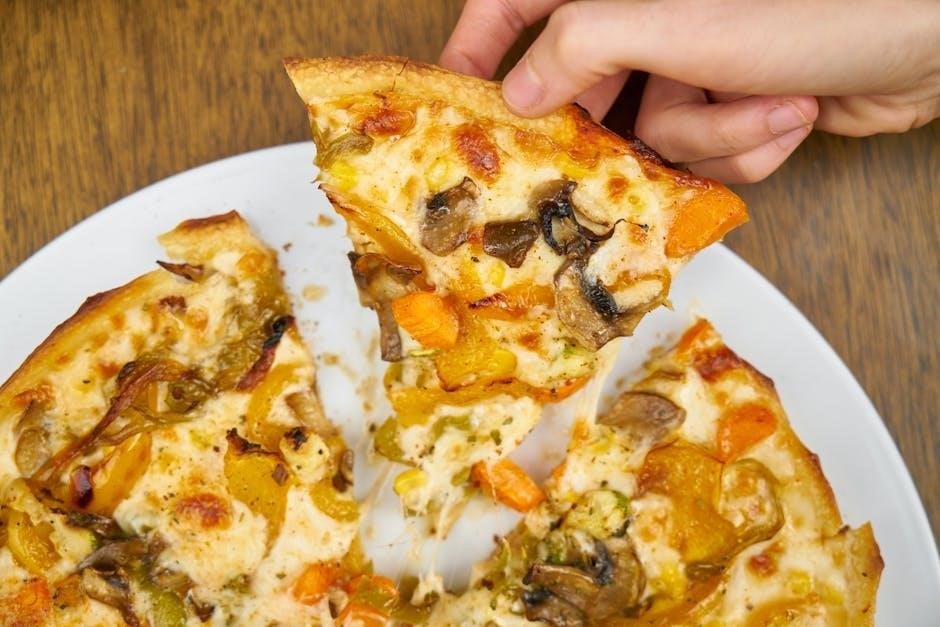
Vegetable toppings‚ such as mushrooms‚ onions‚ and peppers‚ are lower in calories and rich in vitamins and fiber‚ enhancing the nutritional value․ Lean protein sources like grilled chicken offer a healthier alternative to processed meats․ Considering portion sizes and combining toppings strategically—opting for more vegetables and leaner proteins—allows diners to enjoy pizza as part of a balanced diet․ Awareness of these nutritional differences empowers informed choices for a more wholesome pizza experience at Boston Pizza․
Specialty Pizza Analysis: Calorie & Macronutrient Counts
Boston Pizza’s specialty pizzas present a wide range of nutritional profiles․ A chicken calzone‚ for instance‚ packs a substantial 660 calories‚ primarily from its enriched dough and cheese filling․ Analyzing macronutrient breakdowns reveals varying levels of protein‚ carbohydrates‚ and fats across different options․
Pizzas with creamy sauces and multiple cheese blends tend to be higher in fat and calories‚ while those featuring leaner proteins and vegetable-focused toppings offer a more balanced nutritional composition․ Understanding these differences is crucial for mindful eating․ Boston Pizza’s commitment to transparency allows customers to access detailed nutritional information‚ facilitating informed decisions․ Prioritizing pizzas with whole-grain crusts and abundant vegetable toppings can contribute to a healthier dining experience‚ aligning with individual dietary needs and preferences․
Main Courses: Beyond Pizza
Boston Pizza extends beyond pizza‚ offering pasta‚ ribs‚ and burgers; analyzing protein and fat content in these dishes is key for balanced meal planning․
Pasta Dishes: Nutritional Information & Portion Control
Boston Pizza’s pasta selections present a range of nutritional profiles‚ varying significantly based on sauce and additions․ Cream-based sauces‚ naturally‚ contribute higher fat and calorie counts compared to tomato or pesto-based alternatives․ A crucial aspect of enjoying pasta responsibly lies in mindful portion control․
Consider the overall meal composition; pairing pasta with a side salad can increase fiber intake and promote satiety․ Be aware that added proteins like chicken or shrimp will boost the protein content but also contribute to the overall calorie count․ Reviewing the nutritional information available – often accessible upon request – allows for informed decisions․
Opting for smaller portion sizes or sharing a dish can be effective strategies for managing calorie intake․ Remember that 2‚000 calories a day is a general guideline‚ and individual needs vary; Prioritizing balanced choices within the pasta options can make this a satisfying and nutritious part of your meal․
Ribs & Chicken: Protein & Fat Content
Boston Pizza’s ribs and chicken dishes are excellent sources of protein‚ essential for muscle maintenance and overall health․ However‚ it’s important to acknowledge the varying fat content depending on preparation methods and cuts․ Ribs‚ particularly those with visible marbling or glazed with sweet sauces‚ tend to be higher in fat compared to grilled or baked chicken options․
Skin-on chicken contributes significantly more fat than skinless varieties․ Consider removing the skin to reduce fat intake․ Pay attention to accompanying sauces; BBQ sauces‚ while flavorful‚ often contain added sugars and fats․ Opting for dry rubs or lighter sauces can be a healthier choice․
Portion size is also key․ Balancing your meal with a side of vegetables or a salad can help create a more nutritionally complete and satisfying experience․ Reviewing the specific nutritional information for each menu item allows for informed decisions aligned with your dietary goals․
Burger Options: A Comparative Nutritional Analysis
Boston Pizza’s burger selection presents a range of nutritional profiles‚ demanding careful consideration․ Generally‚ burgers are substantial sources of protein‚ crucial for satiety and muscle health․ However‚ calorie‚ fat‚ and sodium content can vary dramatically based on patty size‚ toppings‚ and bun choice․
Larger patties and the addition of cheese‚ bacon‚ and creamy sauces significantly increase the calorie and fat content․ Opting for leaner beef or chicken patties‚ alongside whole-wheat buns‚ can reduce these values․ Be mindful of side dishes; fries contribute substantial calories and fat․ Substituting with a side salad or steamed vegetables is a healthier alternative․
Comparing nutritional information across different burger options is vital․ Prioritize burgers with lower saturated fat and sodium levels․ Remember that portion control plays a key role in managing overall calorie intake․
Salads & Soups: Lighter Fare
Boston Pizza’s salads and soups offer nutritious choices‚ but dressings significantly impact calorie and fat intake; customizing salads optimizes nutritional benefits effectively․
Salad Dressings: Impact on Calorie & Fat Intake
Salad dressings at Boston Pizza‚ while enhancing flavor‚ can dramatically alter the nutritional profile of your salad․ A seemingly healthy salad can quickly become high in calories‚ fat‚ and sugar depending on the dressing selected․ Creamy dressings‚ such as Ranch or Blue Cheese‚ typically contain significantly more calories and fat compared to lighter vinaigrette options․
Consider a basic garden salad; its inherent nutritional value is excellent․ However‚ adding a generous portion of creamy dressing can easily add 200-300 calories‚ and upwards of 20-30 grams of fat․ Vinaigrette-based dressings‚ especially those with olive oil‚ offer healthier fats and generally lower calorie counts․ Opting for dressings served on the side allows for controlled portion sizes‚ minimizing unwanted calorie and fat intake․
Furthermore‚ be mindful of hidden sugars in some dressings․ Even seemingly “light” options can contain added sugars․ Requesting a simple olive oil and vinegar combination‚ or using a minimal amount of your chosen dressing‚ are effective strategies for enjoying a truly healthy and satisfying salad at Boston Pizza․
Soup Nutritional Profiles: Healthy Choices
Boston Pizza’s soup selections present varied nutritional profiles‚ offering opportunities for healthier meal choices․ While creamy soups‚ like a potential Cream of Mushroom (if offered)‚ will naturally be higher in fat and calories‚ broth-based soups generally provide a lighter and more nutritious option․ Examining the specific ingredients is crucial; soups loaded with cheese‚ cream‚ or processed meats will contribute significantly to saturated fat and sodium intake․
Focus on soups featuring vegetables and lean proteins․ A tomato-based soup‚ for example‚ is rich in lycopene‚ an antioxidant‚ and typically lower in fat․ Portion control is also key; even healthy soups can contribute to excess calorie consumption if consumed in large quantities․ Consider pairing a smaller bowl of soup with a substantial salad for a balanced and satisfying meal․
Always inquire about the soup’s ingredients and nutritional information if available․ Choosing wisely can transform soup from a simple starter into a genuinely healthy component of your Boston Pizza dining experience․
Customizing Salads for Optimal Nutrition
Boston Pizza’s salads offer a fantastic base for a nutritious meal‚ but mindful customization is key to maximizing their health benefits․ Start with a generous portion of leafy greens – the darker the better – for essential vitamins and fiber․ Then‚ load up on non-starchy vegetables like cucumbers‚ tomatoes‚ peppers‚ and onions to boost nutrient density without significantly increasing calories․
Lean protein sources‚ such as grilled chicken or shrimp‚ are excellent additions‚ promoting satiety and supporting muscle health․ Be cautious with high-calorie toppings like croutons‚ bacon bits‚ and cheese; use them sparingly or opt for lighter alternatives․
The salad dressing is arguably the most impactful customization choice․ Creamy dressings are often laden with fat and sugar․ Instead‚ choose vinaigrette-based options or ask for dressing on the side to control the amount used․ A little goes a long way!
Beverages: Nutritional Considerations
Boston Pizza’s drink choices significantly impact overall calorie intake; sugary beverages should be limited‚ while exploring healthier alternatives like water is beneficial․
Soft Drinks & Sugary Beverages: Calorie Counts
Boston Pizza‚ like many restaurants‚ offers a variety of soft drinks and sugary beverages that contribute significantly to daily calorie consumption․ These drinks often provide minimal nutritional value‚ consisting primarily of empty calories from added sugars․ A standard serving of soda can easily contain over 150 calories‚ and larger sizes dramatically increase this number․ Frequent consumption of these beverages is linked to weight gain‚ increased risk of type 2 diabetes‚ and other health concerns․
It’s crucial to be mindful of portion sizes and consider lower-calorie alternatives․ Even seemingly innocent fruit juices can be high in natural sugars․ Regularly choosing water‚ unsweetened tea‚ or diet soda options can substantially reduce your overall sugar and calorie intake while dining at Boston Pizza․ Awareness of these calorie counts empowers customers to make informed decisions aligned with their health goals․
Beer Options: Alcohol & Calorie Content (Boston Beer Co․ Inc․ examples)
Boston Pizza features a selection of beers‚ including options from Boston Beer Co․ Inc․‚ each with varying alcohol and calorie content․ Understanding these values is vital for mindful consumption․ Generally‚ light beers contain fewer calories than their full-flavored counterparts․ For instance‚ a typical light lager might have around 95-100 calories and 4․2% alcohol by volume (ABV)‚ while an IPA could range from 150-200 calories and 6-8% ABV․
Specific examples from Boston Beer Co․ Inc․‚ like Samuel Adams Boston Lager‚ typically contain approximately 151 calories and 4․4% ABV per 12oz serving․ Higher ABV often correlates with increased calorie counts․ Moderation is key; being aware of both alcohol and calorie content allows patrons to enjoy their beer responsibly while aligning with their dietary preferences at Boston Pizza․
Healthier Beverage Alternatives
Boston Pizza provides several refreshing alternatives to sugary soft drinks and higher-calorie alcoholic beverages․ Opting for water‚ sparkling water‚ or unsweetened iced tea significantly reduces calorie intake․ These choices contribute to overall hydration without added sugars or artificial sweeteners․ Diet sodas‚ while lower in calories‚ may still contain artificial ingredients that some prefer to avoid․
For those seeking flavor‚ consider adding a slice of lemon or lime to water․ Unsweetened herbal teas offer a variety of tastes and potential health benefits․ Boston Pizza may also offer juice options; however‚ be mindful of natural sugar content and portion sizes․ Choosing these healthier beverage alternatives supports a balanced meal and contributes to a more mindful dining experience‚ complementing your Boston Pizza selections․