
Hills Manual is a comprehensive resource detailing proper etiquette and standardized formats for both personal and professional written communication, offering timeless guidance.
What is the Hills Manual?
The Hills Manual of Social and Business Forms is a definitive guide to correct style and procedure for a vast array of documents. Originally published in 1933, it serves as a practical reference for crafting effective and appropriate written communications.
It’s not merely a collection of templates; rather, it meticulously outlines the accepted conventions for everything from formal letters and business reports to wedding announcements and social invitations. The manual details proper layout, wording, punctuation, and even paper stock suggestions.
Considered an authority on proper form, it aims to eliminate ambiguity and ensure clarity in all types of correspondence, promoting professionalism and social grace. It’s a valuable tool for anyone seeking to master the art of written communication.
Historical Significance & Evolution
The Hills Manual emerged during a period of increasing standardization in business practices and a desire for codified social etiquette. Its initial publication coincided with the rise of the modern office and a growing need for consistent communication protocols.
Over the decades, the manual has undergone numerous revisions to reflect evolving societal norms and technological advancements. Early editions focused heavily on typewritten correspondence, while later versions incorporated guidance on faxing and, eventually, email.

Despite these changes, the core principles of clarity, conciseness, and courtesy have remained constant. The manual’s enduring popularity demonstrates its continued relevance in a rapidly changing world, adapting to new forms while preserving traditional standards.

Core Content Categories
The Hills Manual expertly categorizes forms, providing detailed examples for both crucial business operations and refined social interactions, ensuring proper protocol.
Business Forms – A Deep Dive
Hills Manual dedicates significant attention to business forms, recognizing their vital role in professional transactions and record-keeping. This section meticulously outlines templates for essential documents, ensuring clarity, legality, and a professional image. Users will find guidance on constructing effective purchase orders, sales confirmations, and shipping documents, streamlining supply chain processes.
Furthermore, the manual provides detailed examples of financial statements, expense reports, and payroll forms, aiding in accurate financial management. Emphasis is placed on maintaining consistency and adhering to industry standards. The section also covers forms related to human resources, including employment applications, performance reviews, and termination notices, promoting fair and legally sound practices within organizations.
Invoicing & Billing Templates
Hills Manual provides a robust collection of invoicing and billing templates, crucial for efficient financial operations. These aren’t merely aesthetic examples; they’re designed for clarity and legal compliance. The manual details various invoice formats – standard, pro forma, and recurring – alongside guidance on essential elements like itemized descriptions, payment terms, and late fee policies.
Users learn to create professional bills that minimize disputes and encourage prompt payment. The section also addresses different billing methods, including credit card, electronic funds transfer, and traditional check payments. Hills emphasizes the importance of accurate record-keeping and offers advice on managing invoice numbering systems and maintaining detailed billing histories for audit purposes.
Contract & Agreement Samples
Hills Manual offers a diverse range of contract and agreement samples, serving as foundational blueprints for legally sound documentation. These aren’t intended as substitutes for legal counsel, but rather as starting points for common agreements – sales contracts, service agreements, lease agreements, and non-disclosure agreements.
The manual meticulously outlines essential clauses, including scope of work, payment schedules, termination conditions, and dispute resolution mechanisms. Hills stresses the importance of precise language to avoid ambiguity and potential legal challenges. It provides guidance on formatting, signature requirements, and the inclusion of necessary exhibits or appendices. Users gain insight into crafting enforceable agreements that protect their interests and minimize risk.
Social Forms – Etiquette & Protocol
Hills Manual dedicates significant attention to social forms, meticulously detailing the nuances of proper etiquette and protocol for various life events. It’s a guide to navigating social interactions with grace and confidence, covering everything from formal introductions to thank-you notes and condolences.
The manual emphasizes the importance of traditional conventions, offering guidance on addressing individuals correctly, selecting appropriate stationery, and adhering to established customs. Hills provides templates and examples for a wide array of social correspondence, ensuring users can communicate effectively and respectfully in any situation. It’s a resource for maintaining social harmony and demonstrating consideration for others.
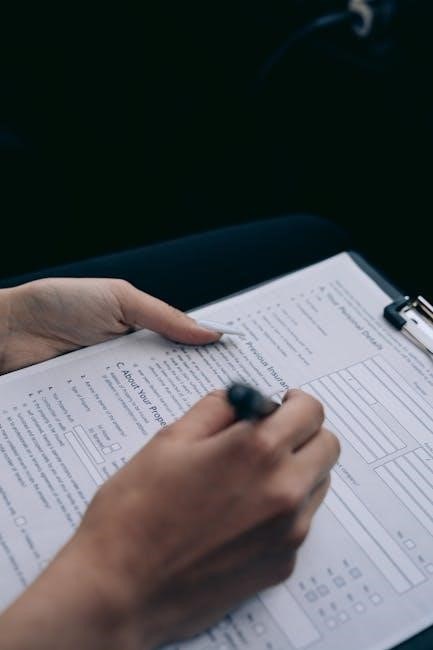
Correspondence – Letters & Notes
Hills Manual provides extensive examples of proper correspondence, focusing on both letters and various types of notes. It details appropriate phrasing, formatting, and tone for diverse situations – from formal business letters to friendly personal notes. The manual stresses clarity, conciseness, and respect in all written communication.
Users will find guidance on everything from salutations and closings to the correct use of punctuation and capitalization. Hills offers templates for thank-you notes, sympathy letters, congratulatory messages, and requests for information. It emphasizes the importance of handwritten notes for certain occasions, providing advice on stationery selection and penmanship. Mastering these forms ensures effective and considerate communication.
Invitations & Announcements
Hills Manual dedicates significant attention to the intricacies of Invitations & Announcements, covering a wide spectrum of social events. It meticulously outlines proper wording, etiquette, and formatting for occasions like weddings, birthdays, debutante balls, and formal dinners. The manual emphasizes clarity regarding date, time, location, and dress code.
Detailed examples are provided for various invitation types – from engraved formal invitations to simpler, printed announcements. Hills also addresses the nuances of responding to invitations (RSVP etiquette) and sending thank-you notes. Guidance extends to announcements of births, engagements, and other significant life events, ensuring graceful and appropriate communication for all social occasions.

Using the Manual Effectively
Hills Manual thrives on diligent study and practical application; mastering its principles elevates communication skills and ensures polished, professional correspondence consistently.
Understanding Formats & Styles
Hills Manual meticulously outlines established formats for a vast array of documents, emphasizing clarity and professionalism. It doesn’t merely present templates, but explains the reasoning behind each stylistic choice – from margin sizes and font selections to indentation and spacing.
Understanding these underlying principles allows for informed adaptation, rather than rigid adherence. The manual distinguishes between block, modified block, and fully indented styles, detailing appropriate uses for each. It also clarifies the nuances of capitalization, punctuation, and salutations, ensuring a consistently polished presentation.
Furthermore, Hills provides guidance on envelope addressing, proper use of titles, and the overall visual balance of a document, contributing to a lasting positive impression.
Traditional vs. Modern Approaches
Hills Manual acknowledges the evolution of communication while firmly grounding users in established best practices. Traditionally, formal correspondence demanded highly structured layouts – think fully blocked formats, typed letters, and conservative fonts. However, the manual doesn’t dismiss modern adaptations.
It recognizes the increasing acceptance of semi-block styles and the integration of digital elements. Hills guides users on balancing formality with contemporary expectations, suggesting when a more relaxed approach is acceptable, particularly in internal communications.
The key is maintaining professionalism and clarity. While email has altered speed, it hasn’t negated the need for well-crafted messages. Hills helps navigate this shift, offering advice on adapting traditional principles to digital platforms, ensuring etiquette remains relevant.
Adapting Forms for Digital Use
Hills Manual, while rooted in traditional paper-based forms, provides valuable insight into translating these formats for digital environments. Direct replication isn’t always ideal; consider accessibility and user experience. For instance, lengthy contracts benefit from interactive digital signatures and clear navigation.
The manual encourages prioritizing clarity and conciseness when adapting forms. Digital spaces demand scannability. Utilize bullet points, headings, and white space effectively. Hills emphasizes maintaining the core purpose of each form – whether it’s a request, confirmation, or agreement – while streamlining its presentation.
Furthermore, consider data security and compliance when digitizing sensitive documents. Hills implicitly supports responsible digital practices, reminding users to uphold professionalism in all communication channels.

Specific Form Types & Examples

Hills Manual showcases diverse examples, from formal business letters and meeting agendas to wedding invitations and detailed social announcement wording.
Wedding & Social Event Forms
Hills Manual provides meticulously crafted templates for all aspects of wedding and social event planning. It details proper wording for RSVP cards, ensuring gracious responses and accurate guest counts. Comprehensive guest list formats are included, offering options for tracking details like addresses, dietary restrictions, and gift acknowledgements.
Beyond the basics, the manual covers announcements for engagements, weddings, births, and other significant life events. It offers guidance on phrasing to convey appropriate levels of formality and sentiment. Examples demonstrate correct layouts for programs, place cards, and menu cards, contributing to a polished and memorable occasion. The emphasis is on clarity, elegance, and adherence to established social protocols, ensuring a seamless and sophisticated event experience.
RSVP Cards & Guest Lists
Hills Manual dedicates significant attention to RSVP card construction, outlining precise wording for acceptance, regret, and dietary needs. It showcases various reply card layouts, from traditional formal phrasing to more contemporary styles. Detailed guidance is provided on envelope addressing and return address placement for efficient mail handling.

Regarding guest lists, the manual presents several organizational formats, including columns for names, addresses, responses, and gift information. It suggests methods for categorizing guests (e.g., family, friends, colleagues) and tracking seating arrangements. Hills emphasizes the importance of accurate record-keeping for post-event thank you notes. The manual’s examples promote clarity and efficiency in managing event attendees, ensuring a smooth and well-organized social gathering.
Business Correspondence – Key Examples
Hills Manual provides exemplary templates for crucial business communications, including cover letters, letters of recommendation, and formal business letters. It details proper salutations, closings, and formatting for various professional scenarios. The manual stresses conciseness and clarity in business writing, advocating for direct language and a professional tone.
Furthermore, Hills offers guidance on composing effective memos, interoffice communications, and letters of complaint or adjustment. It illustrates how to maintain a respectful and courteous approach even when addressing sensitive issues. The manual’s examples demonstrate appropriate phrasing for requesting information, making inquiries, and responding to client concerns, ensuring polished and professional business interactions.
Meeting Minutes & Reports
Hills Manual dedicates significant attention to the precise documentation of business proceedings, offering detailed formats for meeting minutes. It emphasizes capturing key discussion points, decisions made, and action items assigned, ensuring a clear and accurate record. The manual outlines proper headings, date formats, and attendee lists for professional presentation.
Regarding reports, Hills provides structures for various types – progress reports, financial reports, and analytical summaries. It stresses the importance of concise language, logical organization, and supporting data. Examples demonstrate effective use of headings, subheadings, and bullet points to enhance readability and comprehension, facilitating informed decision-making within an organization.

Beyond the Basics: Advanced Usage
Hills Manual empowers users to skillfully modify templates, ensuring personalization while maintaining professional standards and adhering to relevant legal guidelines.
Customization & Personalization
Hills Manual doesn’t advocate rigid adherence, but rather informed adaptation. While providing excellent templates, it acknowledges the necessity of tailoring forms to specific circumstances and individual preferences.
Effective personalization involves carefully considering the recipient and the message’s purpose. Subtle adjustments to wording, font choices, or even paper stock can significantly impact the overall impression. However, customization should always respect the underlying principles of clarity and professionalism outlined in the manual.
Remember to maintain consistency in branding if adapting business forms. For social forms, personalization reflects the host’s style and the event’s tone. Thoughtful customization elevates a standard form into a meaningful communication piece.
Legal Considerations & Disclaimers
Hills Manual provides form samples, not legal advice. Users must understand that adapting these examples for legally binding documents requires professional legal counsel. Contracts, agreements, and official notices necessitate review by a qualified attorney to ensure compliance with current laws and regulations.
The manual’s templates are starting points; they do not guarantee legal validity. Disclaimers should be added where appropriate, particularly concerning liability or warranties. Always research specific legal requirements for your jurisdiction.
Furthermore, be mindful of data privacy regulations when collecting personal information on any form. Proper consent and data handling procedures are crucial. Reliance solely on Hills Manual for legal compliance is strongly discouraged.

Resources & Further Learning
Explore supplemental guides on business writing, etiquette resources, and legal form databases to expand your knowledge beyond the Hills Manual’s scope.
Online Supplements & Updates
While the Hills Manual maintains a legacy of printed excellence, recognizing the dynamic nature of communication necessitates supplementary online resources. Several websites and forums dedicated to business etiquette and form standardization offer updates reflecting contemporary practices.
These platforms frequently address evolving digital communication norms, providing guidance on email etiquette, social media correspondence, and adapting traditional forms for electronic submission. Users can often find downloadable templates, updated legal disclaimers, and clarifications on ambiguous points within the manual itself.
Furthermore, professional organizations focused on administrative professionals and legal secretaries often curate online resources and webinars that complement the Hills Manual, ensuring users remain current with best practices in a rapidly changing world. Regularly checking these sources is highly recommended.
Related Publications & References
For a broader understanding of business communication and etiquette, several publications complement the Hills Manual. “Business Communication: Polishing Your Professional Presence” by Sheryl Lindsell-Roberts offers modern insights into effective workplace writing. “Emily Post’s Etiquette” remains a cornerstone resource for social graces and correspondence.
Additionally, resources from the Association for Business Communication (ABC) and the Professional Association of Legal Secretaries (PALS) provide valuable guidance on industry-specific standards. Legal form templates and guides published by organizations like Nolo offer detailed examples.
Academic texts on business writing and professional communication also provide theoretical frameworks and practical exercises. Consulting these references alongside the Hills Manual fosters a well-rounded skillset.